
Views: 0 Author: Site Editor Publish Time: 2026-08-26 Origin: Site


Outdoor fitness spaces are not just found in public parks anymore. They’ve moved to schools, resorts, and even residential areas. If you’re planning to build one, one of the things you should consider is equipment durability. In this article, we’ll walk you through how to build outdoor exercise equipment.
Before you begin building equipment, you should know that there are different types of outdoor exercise equipment. Let’s take a look at some below:
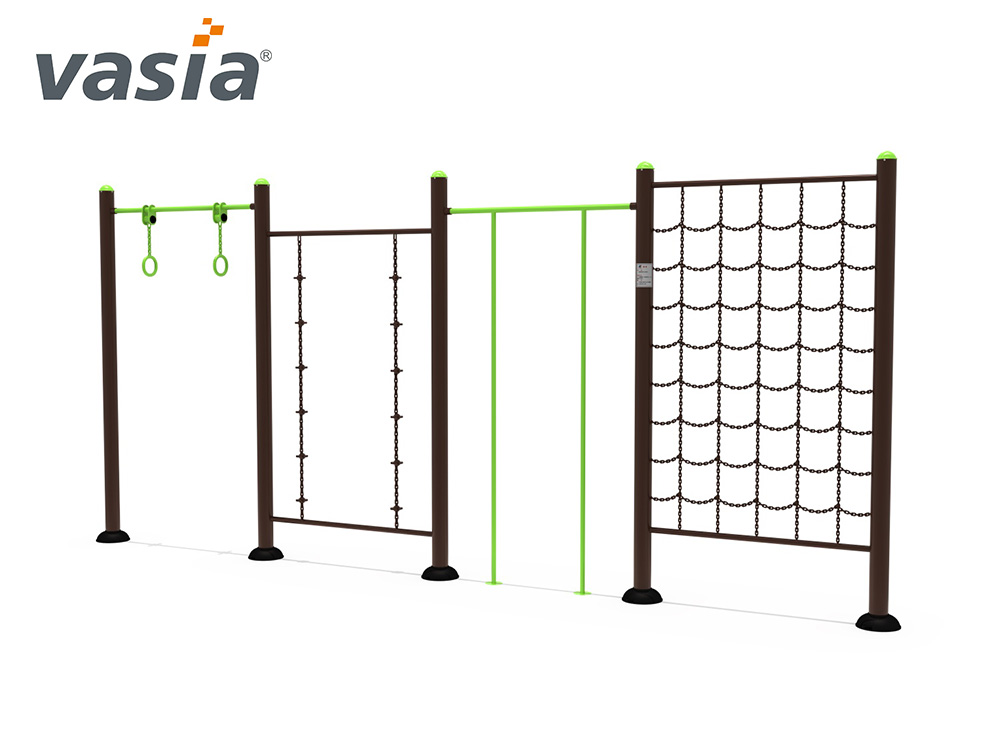
Bodyweight Training Equipment: Equipment used for bodyweight training includes items like pull-up bars, monkey bars, and climbing apparatuses. It will be easy for you to maintain the equipment. In addition to that, it suits people of varying levels of physical fitness. The equipment enables functional strength training and helps minimize operating costs.
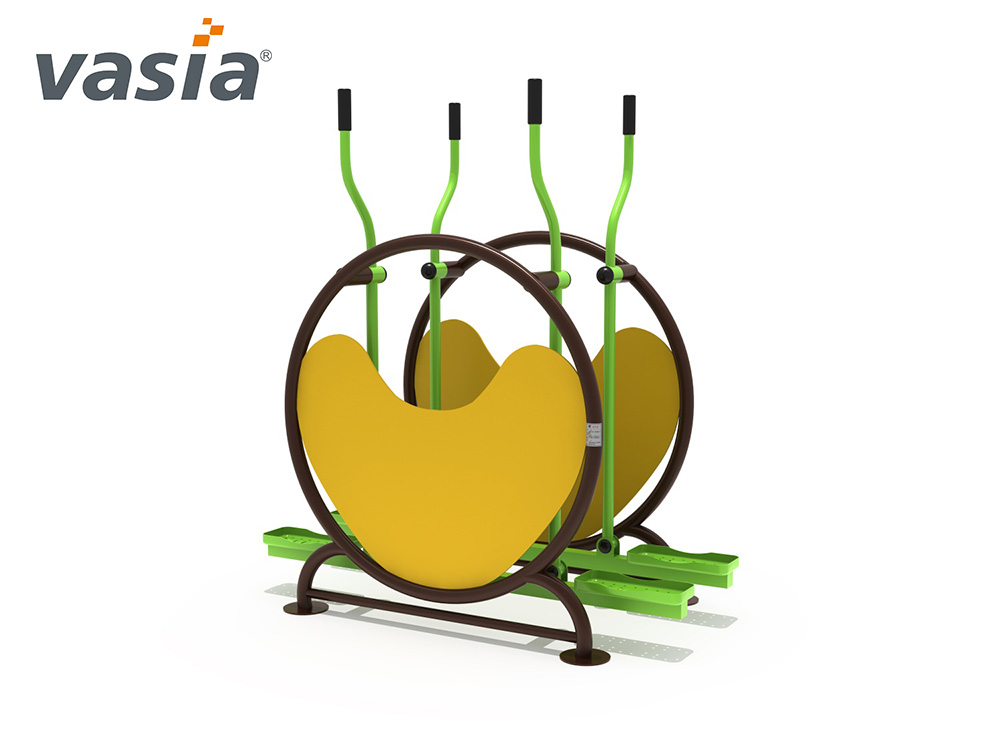
Cardio Equipment: Equipment for cardiovascular health is designed to enhance cardiovascular health without necessitating any complicated design or mechanism. It includes items like air walkers, ski machines, and cycling equipment. They can be seen in public parks, fitness zones, and residential places.
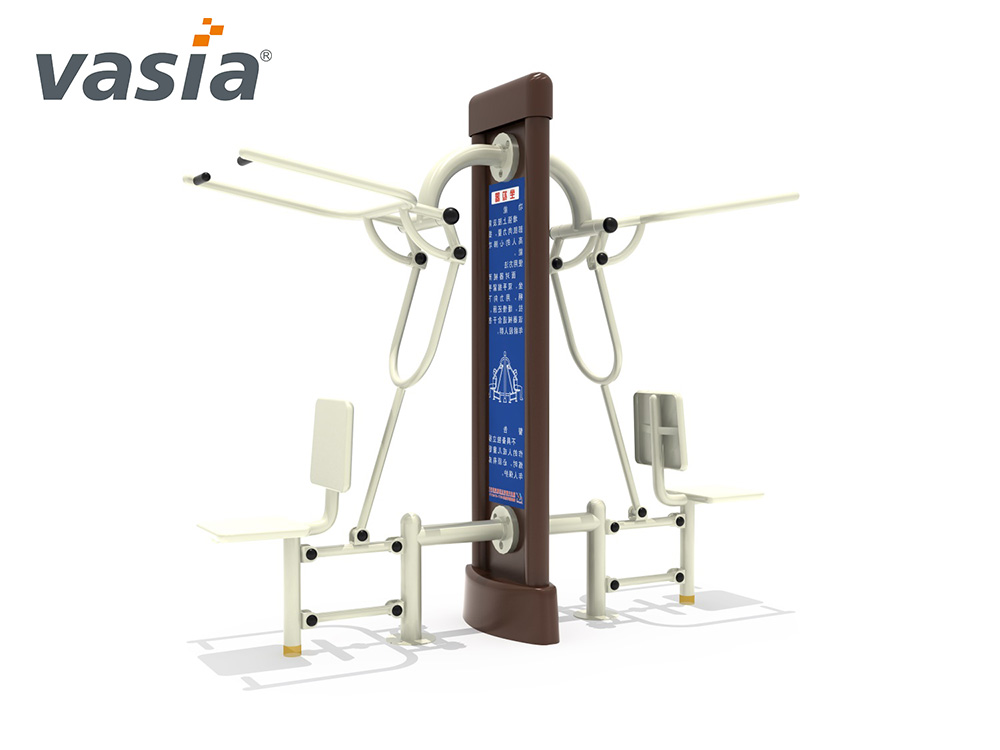
Strength training equipment: Strength training equipment is meant to encourage physical activity in the gym and strengthen stamina. Examples of these types of equipment include items like shoulder trainers, chest press stations, and rowing machines.
Multi-functional fitness stations: These pieces of equipment are best suited for places where there is limited space available. It incorporates different workouts within one unit, hence enabling participants to undertake various challenges.
Senior-friendly fitness equipment: This equipment mainly suits older individuals to help them balance their movements and become mobile.
Prior to building the outdoor exercising equipment, you must define the intended group of people that will use the equipment. Are only children supposed to use the equipment? Will the teenagers and adults use the equipment too? Do the old age group fall within the participants who will use the equipment? Is the equipment available to general users of fitness centers? Understanding the intended group will help you make better planning decisions.
Prior to selecting a site for building your exercise equipment, you must assess whether the selected site will favor your intended project. The factors that you should check include soil condition, drainage, space, sunlight, accessibility, visibility, and security. If the site that you are constructing has a problem with flooding, you may need to prepare more groundwork prior to installing.
Prior to installing any equipment, you should think of the safety of those using the equipment. This will involve checking whether there will be use of rounding of all edges, a non-slip surface, signs, and space allocation for the equipment.
Since this equipment will be used outdoors, material durability is crucial for longevity. Here are a few common ones:
UV-resistant plastics: These designs are used for seats, handles, and protective covers. They help to prevent color fading and cracking, ensuring that the equipment appeals to participants.
Stainless steel: This material is resistant to corrosion, making it useful for fasteners and connectors.
The installation of the equipment needs to be done in adherence to some safety regulations. Some of these safety regulations include testing for structural integrity, load-bearing capacity, safety surfacing, and accessibility standards. Ensure that the equipment complies with the EN 16630 outdoor fitness equipment safety standard.
Steel pipes and frames
Concrete for foundations
Bolts, anchors, and fasteners
Welding equipment (for metal structures)
Protective coatings and paint
Safety surfacing materials (rubber tiles, sand, or EPDM)
Site preparation includes clearing the construction site of any debris and leveling the ground, since this ensures that the foundation of the equipment is on solid ground. It may also include putting up markers for the equipment so you have a clear idea about the spacing.
Start digging foundation pits and add gravel in order to provide the required stability. Put reinforcing rods as well. Lay down concrete and attach the bolts while the concrete is wet, and give the foundation enough time to harden.
The next step in the process involves erecting the framework. This involves attaching steel posts onto anchor bolts while aligning and leveling with precision. Misalignment is not good for safety purposes and the efficiency of the equipment.
Next, you attach the functional components. Fasten the grips, seats, foot pedals, and support bars. Test this equipment for movement and ensure they function smoothly without excessive movement or looseness.
Apply surface finishing to enhance their ability to withstand exposure to rain and sun. Apply anti-rust coating, UV-resistant paint, or powder-coated finish. This extends the service life of the equipment.
The surface beneath your equipment needs to be used under safety measures. Install shock-absorbing mats and interlocking rubber tiles to reduce injury risk when any participant falls.
Conduct a final safety inspection to be sure everything is in good working condition. Check the bolt tightness and connections, verify alignment, and ensure proper spacing.
In this article, we’ve covered the steps needed to build outdoor exercise equipment. With all these steps in mind, one thing should stand out: safety and professional execution. This is why you should invest in certified equipment such as that provided by Vasia Playground for long-term use. Contact us now for more information.
Deep foundations for outdoor fitness equipment should be as deep as 60 cm and 50 cm x 50 cm wide per post. However, the exact depth is dependent on the specific footprint of the equipment as well as the dept hto which groundwater in soil freezes.
Outdoor exercise equipment can last for about 10 to 25 years depending on the type of material used and the maintenance schedule.
Yes, outdoor fitness equipment can be customized to fit specific site layout and customer preference.

