
Views: 0 Author: Site Editor Publish Time: 2026-08-20 Origin: Site


A children’s playground is not just a place for fun. It is a place that encourages social interaction and healthy development. However, to build a successful playground, whether within a school, public park, or residential community, one needs proper planning. How is the whole process conducted then?
This article will explain everything you need to know about how to build a children’s playground from the conception of the idea to the final stage. Let’s dive in.
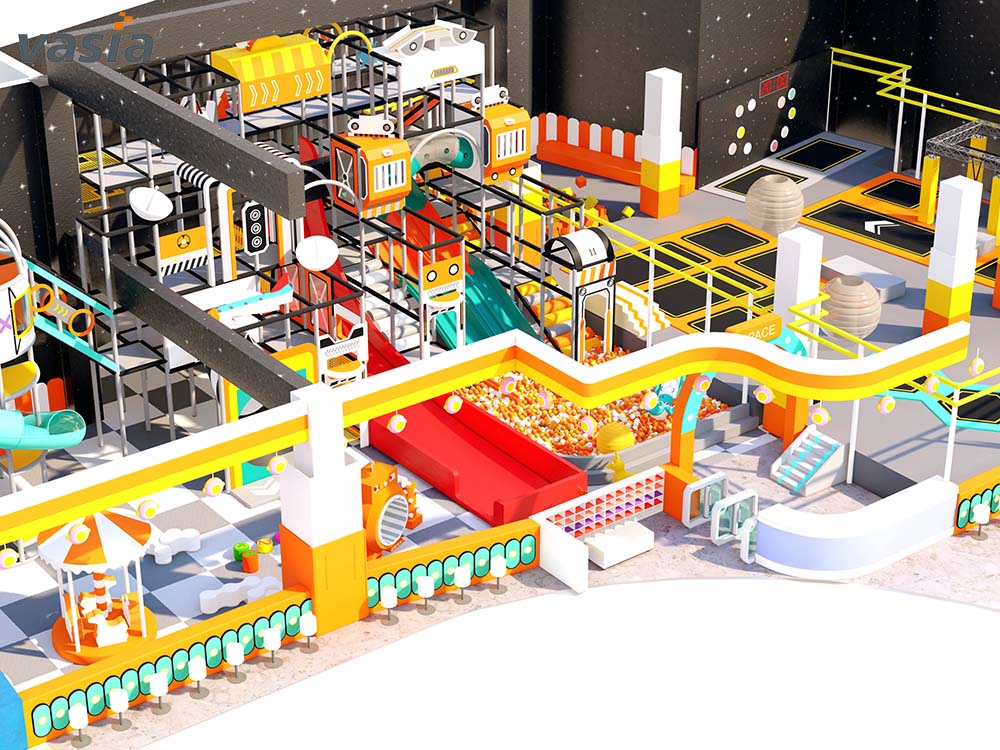
First, you must define the intended use of the playground. The kind of equipment you will need depends on your objective. For instance, if you want to construct a playground within a school compound, then you must consider equipment that will facilitate collective play among children. When constructing a playground within a public park, the equipment required will have to be rugged enough to handle much use.
Commercial playgrounds located within malls or family entertainment centres must have equipment that lures kids and parents alike. You will also have to define your target audience based on age category.
When it comes to choosing the right location, it narrows to the following:
Site conditions: A children’s playground should have stable ground conditions, good drainage, and adequate sunlight and shade for kids. It shouldn’t be built near busy roads, steep slopes, or areas prone to flooding.
Accessibility: You should build a playground that is easily accessible to children, including those with disabilities. Therefore, you should include elements like accessible entrances and exits and comfortable seating.
Future growth: Instead of thinking of only the present, consider whether your facility is expanding. Leave room for future additions or rearrangement so that it will save you the cost of rebuilding later.
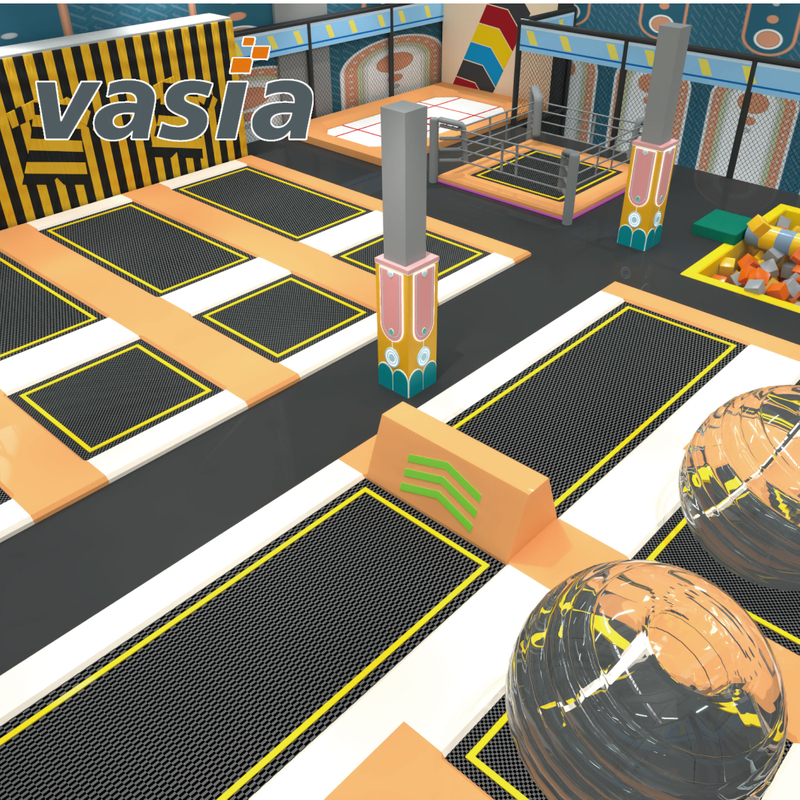
The playground layout is one of the most important things to consider when building a children’s playground. This is further broken down below:
Activity zones: Create multiple activity zones so that everything will be organised. You can divide the playground into: (1) active play areas where there is high-energy equipment like obstacle courses, (2) creative play areas where you’ll find role-play structures, and (3) quiet zones where kids can relax.
Traffic flow: Children should be able to move around without overcrowding the space. When there is good traffic flow, there will be fewer collisions. Parents can effectively supervise their children with good visibility across the playground.
Themed designs: Consider including themed designs in the playground. Some of these include nature adventure, space exploration, the ocean, or fantasy worlds.
Choosing the right equipment plays a huge role in measuring how safe, appealing, and functional it will be. Here are a few things you shouldn’t overlook:
Slides - These are one of the most popular pieces of equipment that are available in various heights and designs.
Swings - Aside from the fact that it is fun, it also encourages physical activity, and it can be used by anyone.
Climbing Structures - Climbing structures are used by school-age children to develop their strength and confidence.
Interactive play features are used in today’s modern world to add value and improve user experience in the playground.
While selecting the equipment, you also want to keep in mind that they should be durable. This equipment should be able to handle heavy or frequent use. Choose materials that are UV-resistant or made with galvanised steel for reinforcement.
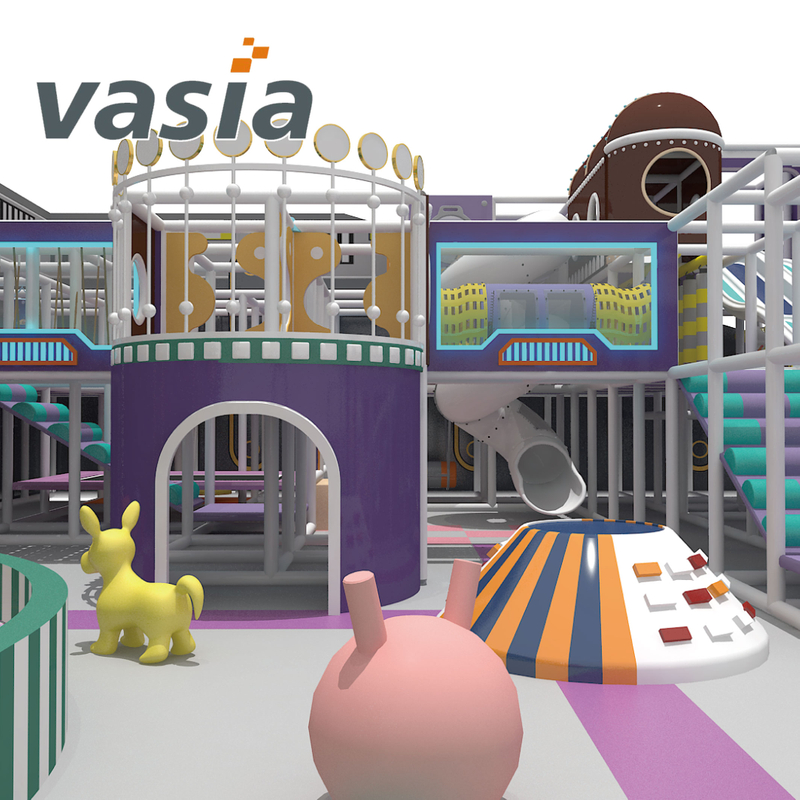
Accidents can befall the occupants, especially within the children's playground. Ensure there are impact-reducing materials on the play area such as rubber mats, sand, and engineered wood fibre.
Ensure appropriate spacing between each item of equipment. Overcrowding within the playground leads to congestion, crashes, and injuries. Any element likely to lead to accidents, such as protruding elements, should not be found within the playground area.
It is vital to ensure you have a properly prepared site before installing any playground equipment. Clear any debris from the ground and ensure that the surface is even. Ensure you have drainage systems put in place. Adhere to the safety standards stipulated by the manufacturer.
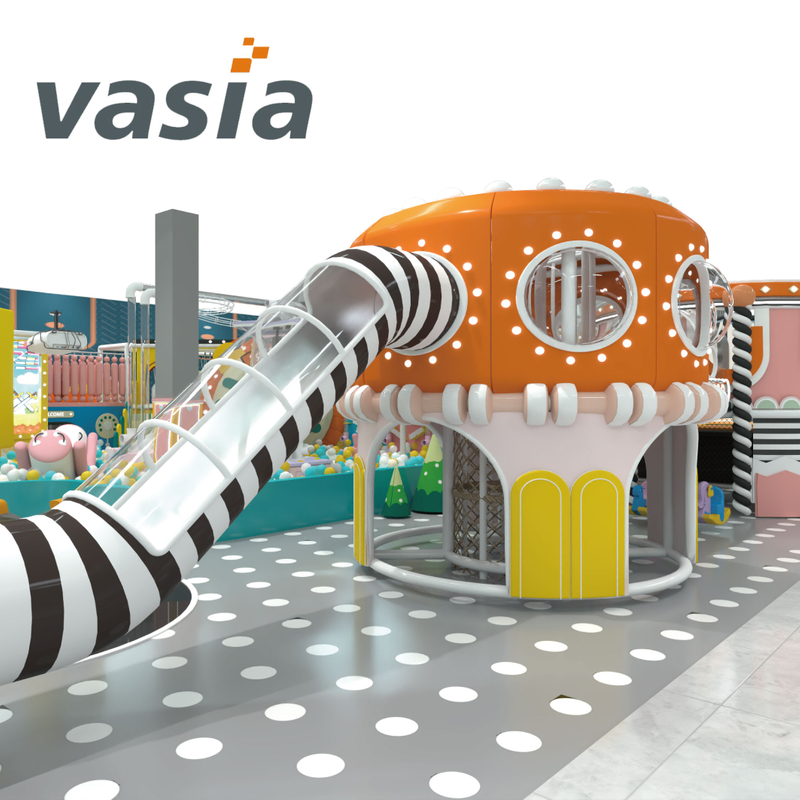
Of course, you can’t plan on an empty pocket. You need to consider several factors, all of which will affect the budget.
The playground size affects cost. The larger the size, the higher the cost, and vice versa. Furthermore, using standard equipment might be affordable. However, using customised or themed equipment can cost more. Premium surfacing materials and professional installation also increase the overall cost of building.
Building a children’s playground is one thing, but maintaining it is another thing. Ongoing maintenance is essential for keeping your equipment in good condition and ensuring safety. Here’s how to do so:
Routine inspections: On a regular basis, you should inspect the equipment for loose bolts, worn components, surface damage, or structural issues. When you detect small problems early, they’re usually easy to fix.
Preventive maintenance: Conducting preventive maintenance helps to increase the lifespan of the equipment. It helps you keep equipment in check even before issues happen. Tasks may include cleaning surfaces, tightening bolts, lubricating parts, or replacing components.
Depending on your location, your playground design may need permits, certifications, and other legal requirements before it becomes fully operational. So check with the local authorities for construction permits, site approvals, safety standards, or insurance requirements.
In this article, you’ve learnt what it takes to build a children’s playground. If you’re looking for where to get reliable equipment to support your project, contact Vasia Playground.
The best materials for a children’s playground are engineered wood fibre for surfaces and either high-density plastic or powder-coated metal for play structures. These materials are durable and safe for kids to use.
The cost of building a playground ranges between $2,000 for a small residential size and $500,000 + for a large-scale commercial park.
The timeline for setting up a playground depends on the size and complexity of the equipment. However, it is approximated that it takes within 3 to 6 months to build a children’s playground.

